Art & Design
Intent
Art, craft and design embody some of the highest forms of human creativity. A high-quality Art and Design education engages, inspires and challenges pupils, equipping them with the knowledge and skills to experiment, invent and create their own works of art, craft and design.
As pupils progress, they should be able to think critically and develop a more rigorous understanding of Art and Design. They should also know how Art and Design both reflect and shape our history and contribute to the culture, creativity and wealth of our nation.
The National Curriculum for Art and Design aims to ensure that all pupils:
- produce creative work, exploring their ideas and recording their experiences;
- become proficient in drawing, painting, sculpture and other art, craft and design techniques;
- evaluate and analyse creative works using the language of art, craft and design; and
- know about great artists, craft makers and designers, and understand the historical and cultural development of their art forms.
At Preston Candover CE Primary School, we aim to inspire creativity, curiosity and self-expression. Our Art curriculum provides children with opportunities to explore ideas, experiment with different materials and techniques and develop their own individual responses. Our curriculum is carefully planned so that pupils develop their artistic knowledge, vocabulary and skills over time, revisiting and building upon prior learning to develop increasing confidence, control and independence as artists.
We want children to enjoy Art, to be curious about the work of artists, craft makers, architects and designers, and to have the confidence to explore, experiment, create and reflect. Through Art, pupils learn that the creative process is as important as the finished outcome.
Implementation
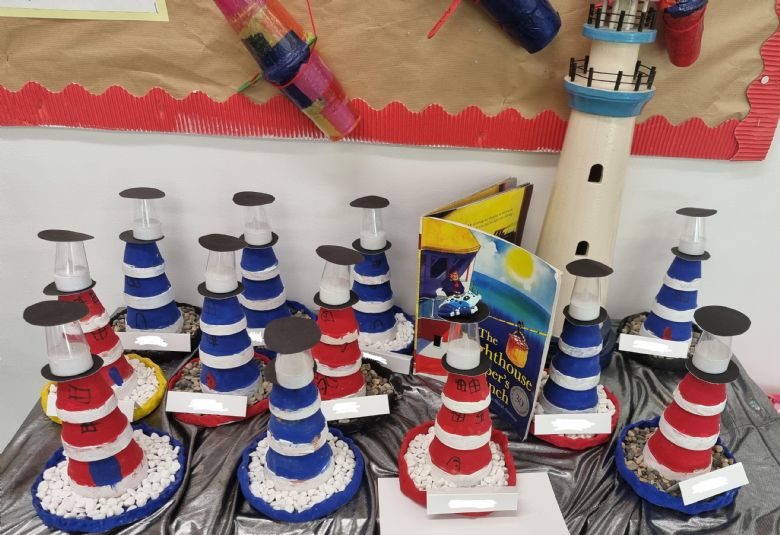
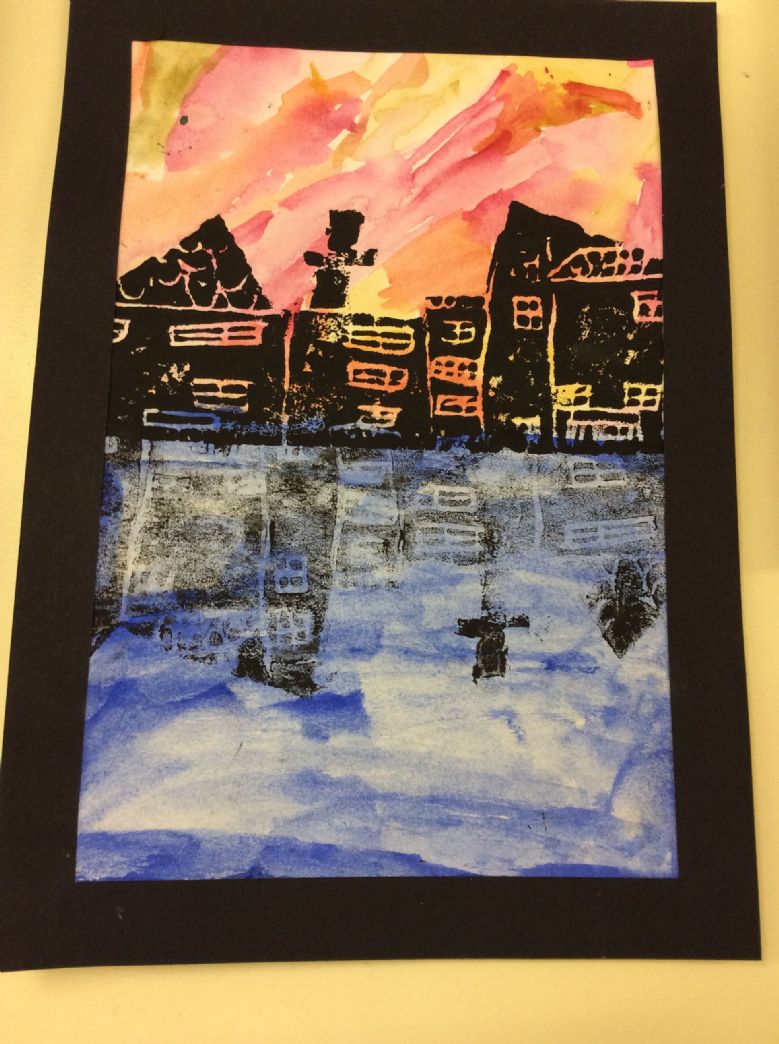
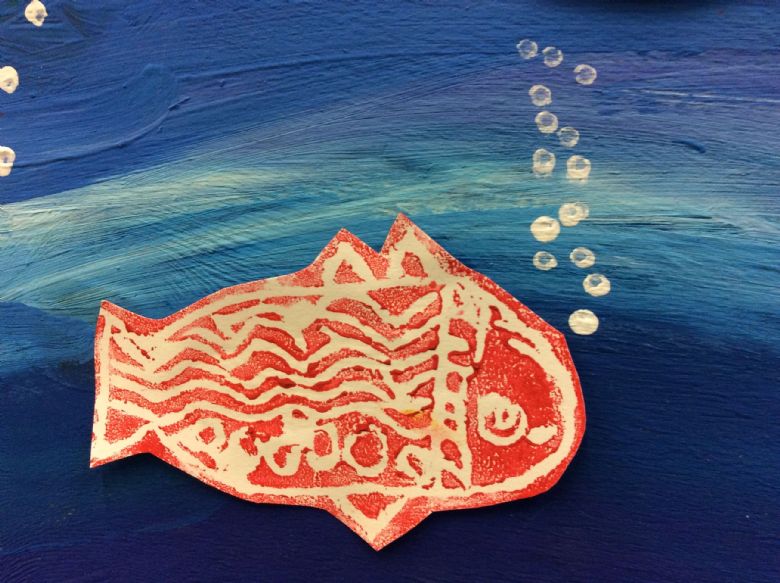
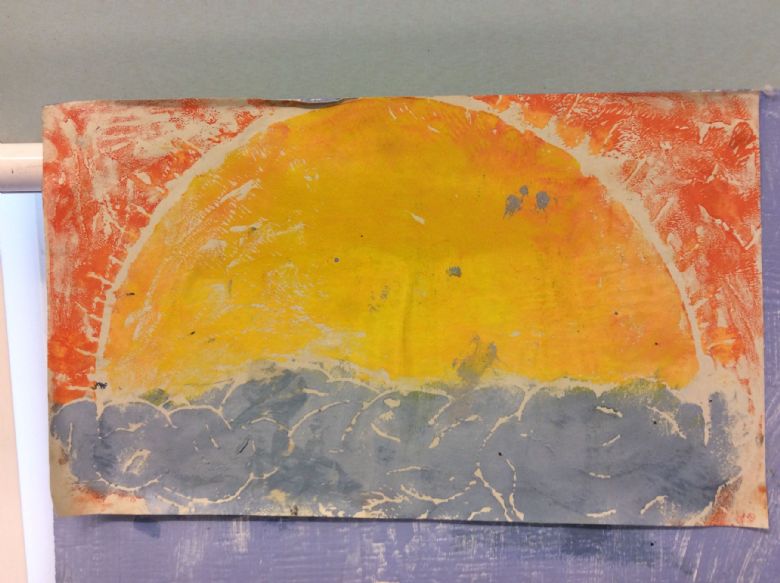
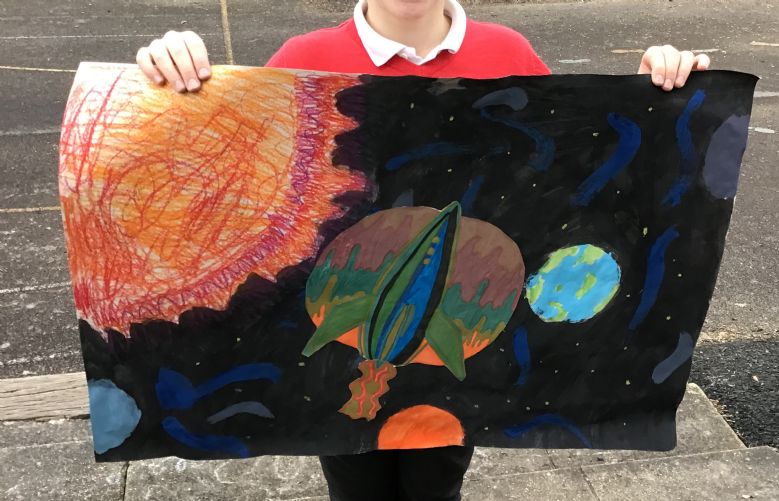
Creativity comes in many forms and is woven throughout the curriculum. Within Art and Design, children experience drawing, painting, sculpture, craft, digital art and mixed media. The teaching and learning of Art makes an important contribution to children’s creativity, confidence and wellbeing and we do not underestimate its importance. The skill of ‘creating’ is key to the development of ideas and solutions.
Our school regularly engages in whole-school projects such as The National Gallery’s Take One Picture, alongside collaborations with Anvil Arts and The Grange Festival Opera. Working with experts inspires and challenges our children to express themselves through a variety of creative experiences. We also regularly offer an extra-curricular Art club.
A long-term plan is in place with a two-year rolling programme, reflecting our vertically grouped classes. Class teachers use the Art Progression of Skills and Experiences document to plan for their year groups. Where possible and meaningful, content is linked to class termly projects and big enquiry questions. Learning is carefully sequenced so that pupils build upon what they already know and can do. Knowledge, skills, techniques and vocabulary are revisited and developed with increasing complexity as pupils progress through the school.
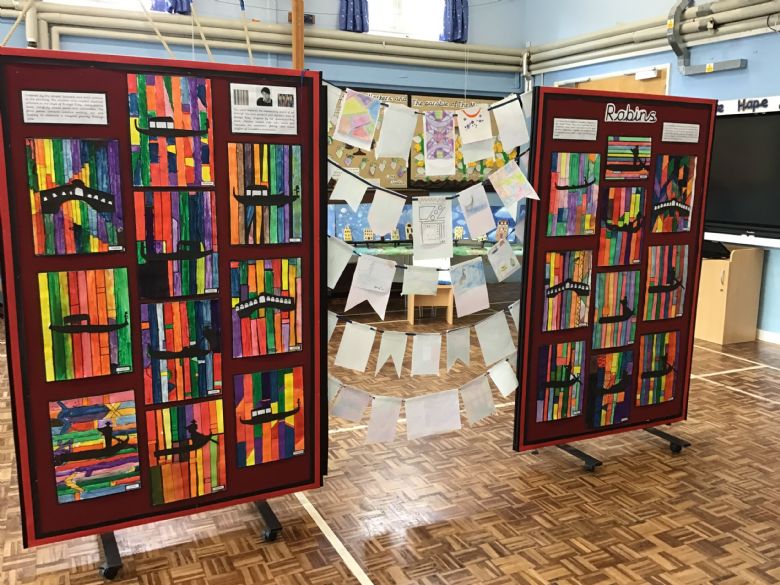
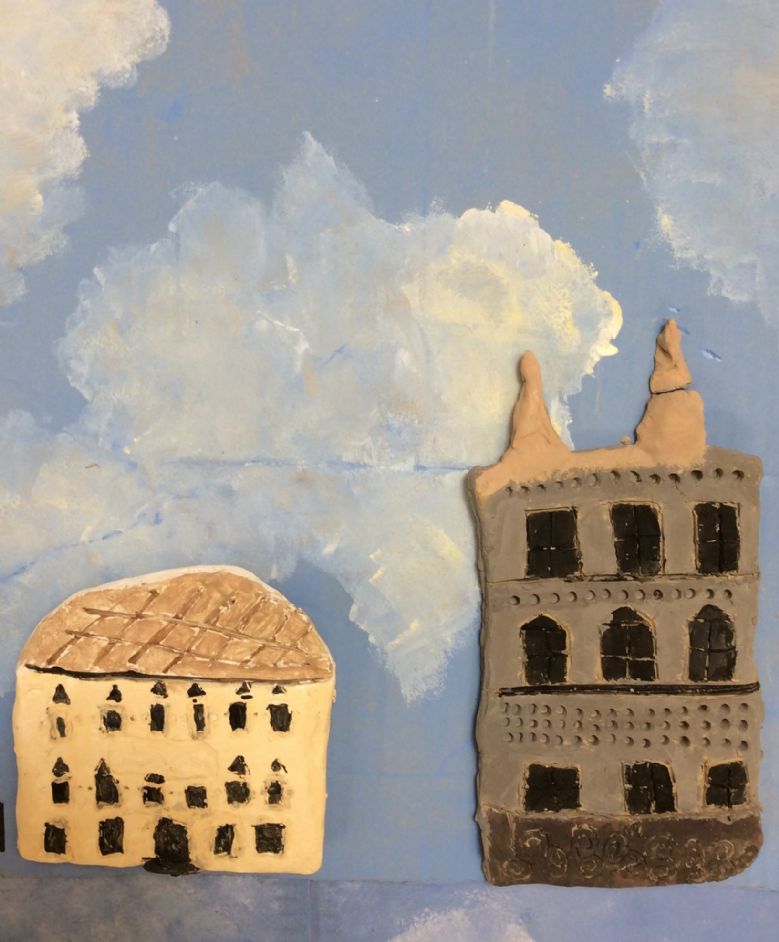
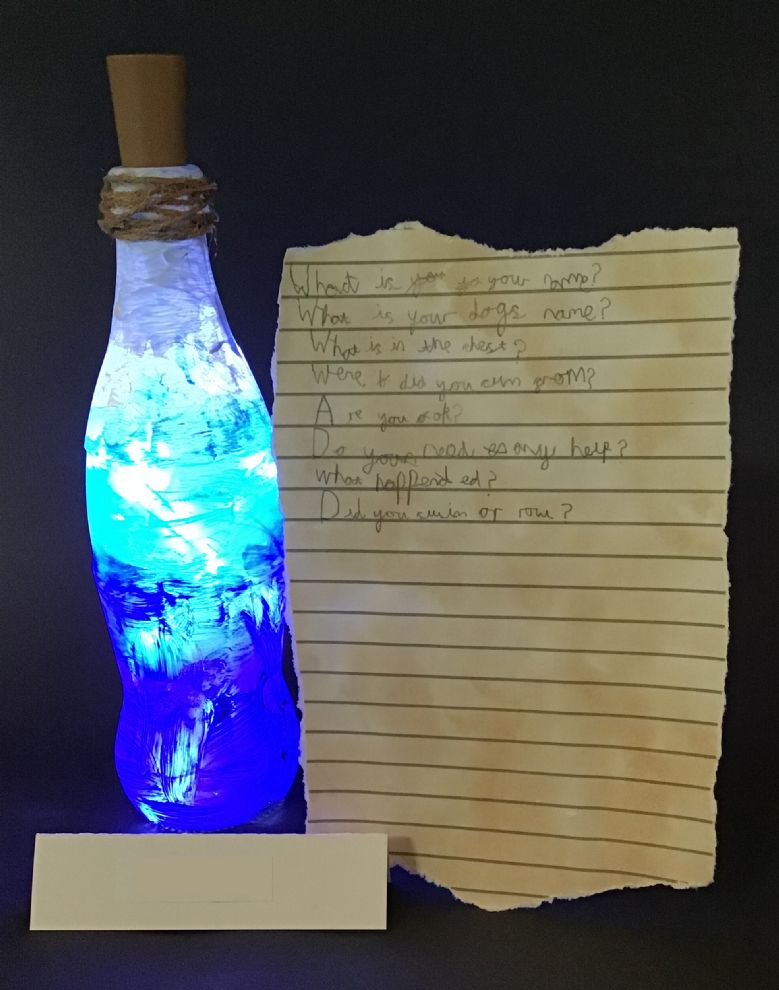
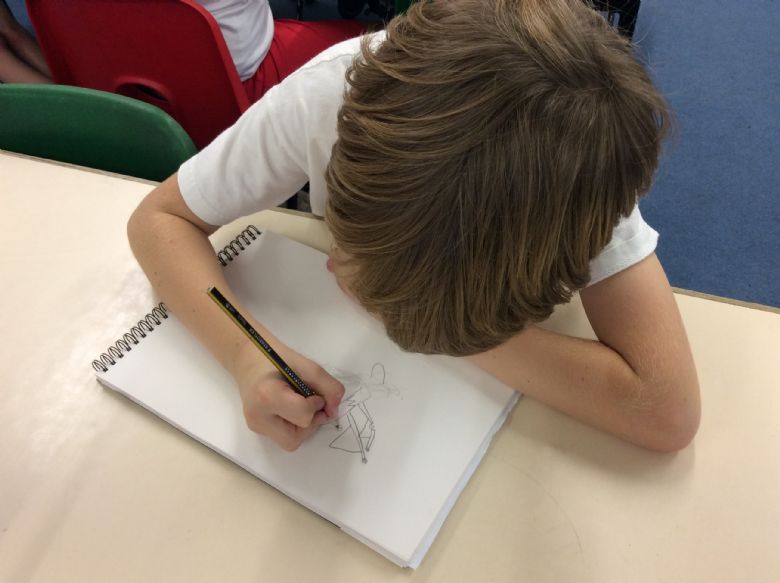
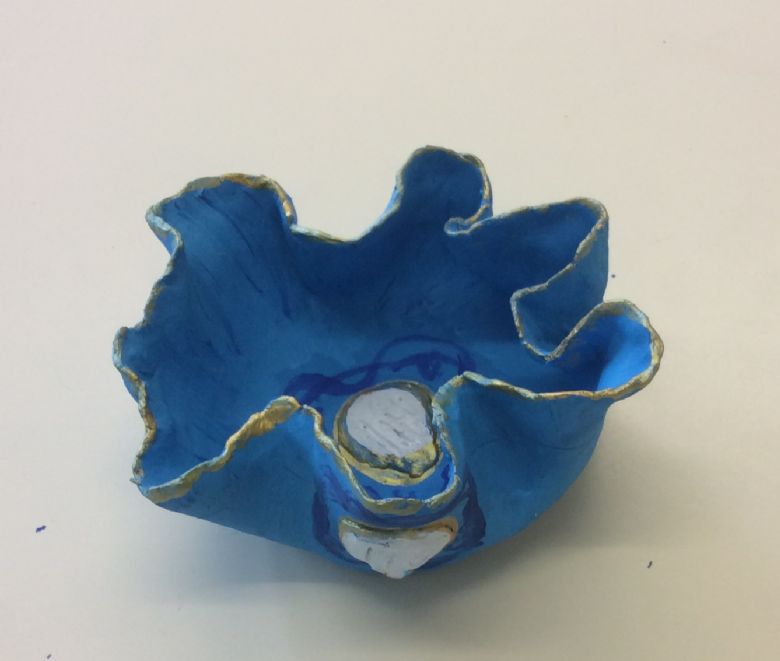
After learning about a particular artist, craft maker, architect or designer, pupils invest time in developing their Art skills in their sketchbooks. Pupils are taught to improve their mastery of techniques, including drawing, painting and sculpture, using a range of materials such as pencil, charcoal, paint and clay. Sketchbooks enable pupils to explore and record ideas, practise and experiment, and reflect upon and refine their work.
During a unit, pupils may plan and create artwork inspired by artists and reflect on the knowledge and skills they have developed. Children are encouraged to use artists as inspiration while developing their own ideas and individual responses. Opportunities to share their creations with members of the school community and experts are planned carefully.
Each unit follows a similar format:
Lesson 1: Exploring the work of artists and architects
Lesson 2: Sketch book work/collecting ideas for a final piece
Lesson 3/4/5: Developing skills
Lesson 6: Completing a final piece
Lesson 7: Evaluation
What makes a Preston Candover Artist?
End of KS1: A Preston Candover Artist is confident to explore and use different tools and materials, mix colours, create patterns and textures, and talk about their artwork and the work of others.
End of KS2: A Preston Candover Artist is able to apply a wide range of techniques in drawing, painting, printing, collage, textiles and sculpture, use art vocabulary to explain choices, refine and evaluate work, and take inspiration from artists to create imaginative and purposeful pieces.
Please use the links below to explore our art curriculum further: